Maximize Industrial Equipment Lifespan with Strategic Vibration Control
Posted: 10 Nov 2024 22:19
<a href="https://vibromera.eu"><img src="https://vibromera.eu/wp-content/uploads ... -29-01.png" alt="Portable Balancer Balanset-1A" /></a>
<a href="https://vibromera.eu/">generator balancing</a>
<div>
<h1>Understanding Generator Balancing</h1>
<p>Generator balancing is a crucial aspect of maintaining the performance and efficiency of rotating equipment used in various industries. Balancing is the process of ensuring that the weight of an object is evenly distributed around its axis. When it comes to generators, this process is essential to reduce vibration, which can lead to significant mechanical wear and energy loss. The efficiency of generators, whether used in power generation, manufacturing, or other applications, depends on precise balancing techniques.</p>
<h2>Importance of Generator Balancing</h2>
<p>The importance of proper generator balancing cannot be overstated. An imbalanced generator can lead to excessive vibrations, which ultimately results in equipment failure, increased maintenance costs, and shorter lifespan of components. When a generator is out of balance, it not only affects its performance but also impacts the surrounding equipment. Improved balancing leads to enhanced energy efficiency, noise reduction, and improved longevity of the equipment.</p>
<h2>Types of Balancing</h2>
<p>Two primary types of balancing are static balance and dynamic balance. Static balance involves ensuring that the generator remains in a stable position when at rest, while dynamic balance addresses situations where the generator rotates. Dynamic balancing is often more complex and involves the use of specialized equipment, such as portable balancers like the Balanset-1A and Balanset-4.</p>
<h2>Portable Balancer and Vibration Analyzers</h2>
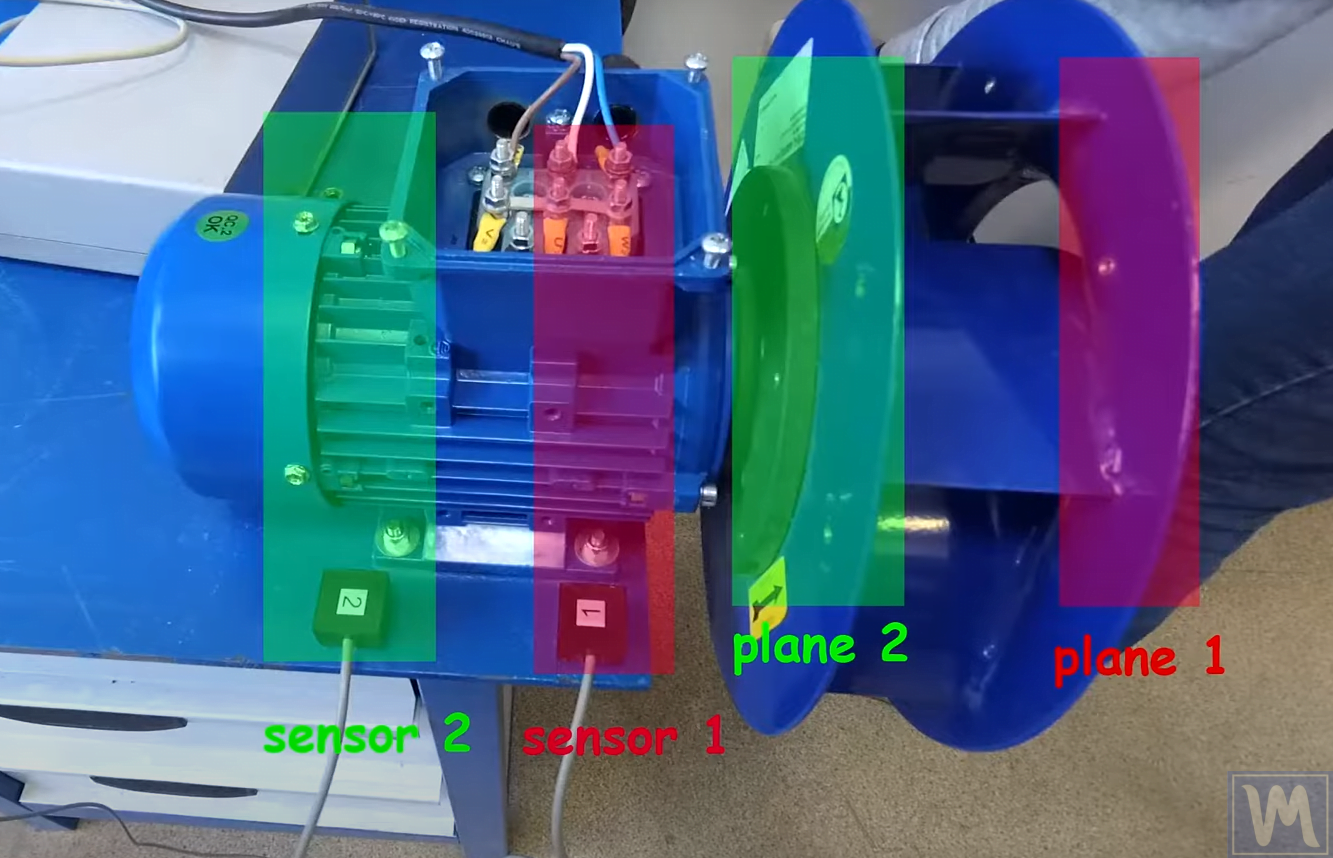
<p>Devices like the Balanset series are designed for dynamic balancing across various applications. The Balanset-1A features two channels for balancing in two planes, making it ideal for a wide range of rotors such as augers, fans, crushers, and turbines. The Balanset-4, with its four-channel capability, caters specifically to balancing cardan shafts and other complex mechanical systems.</p>
<h2>The Balancing Process</h2>
<p>The balancing process typically involves measuring vibrations and then adjusting weight distributions on the rotor to minimize these vibrations. Modern portable balancers come equipped with advanced features that allow technicians to accurately measure vibrations, determine the imbalance's extent, and implement corrective actions, all while the system is in operation.</p>
<h2>Applications of Generator Balancing</h2>
<p>Generator balancing is widely used across various industries. For instance, in the manufacturing sector, generators play a critical role in powering machinery. Thus, ensuring that they operate smoothly through proper balancing directs towards overall efficiency in production. In the chemical and medical industries, centrifuges that utilize generators need to maintain precise balancing to avoid costly breakdowns that could halt operations.</p>
<h2>Regular Maintenance and Its Benefits</h2>
<p>Regular balancing and maintenance checks are recommended practices to prevent imbalances from developing. Scheduling these checks can save industries from unnecessary downtime and maintenance costs. A well-balanced generator operates more effectively, providing consistent power output without fluctuating performance levels due to vibrations or instability.</p>
<h2>Technological Advancements</h2>
<p>With technological advancements, balancing instruments have become more accessible and efficient. Many manufacturers are integrating sophisticated monitoring systems with their balancing devices allowing for real-time data analysis. This development aids in making immediate adjustments during the balancing process, ensuring that generators operate at peak performance.</p>
<h2>Conclusion</h2>
<p>In conclusion, generator balancing is a vital procedure that should not be overlooked in any industry utilizing rotating machinery. The benefits of thorough and regular balancing manifest not just in enhanced performance but also in measurable savings on maintenance and operating costs. Utilizing advanced tools such as portable balancers enables industries to ensure that their generators maintain optimal conditions, thereby prolonging their operational lifespans and efficiency.</p>
<h2>Contact and Support</h2>
<p>For those looking to invest in generator balancing solutions, consider exploring options like the Balanset devices. These tools make it easier for technicians and engineers to provide the necessary care and attention to maintain efficient generation systems across various applications. To ensure your equipment runs smoothly, reaching out for expert advice and purchasing balancing devices can dramatically improve operational standards.</p>
</div>
Instagram: https://www.instagram.com/vibromera_ou/
Youtube : https://www.youtube.com/@vibromera
<a href="https://vibromera.eu/">generator balancing</a>
<div>
<h1>Understanding Generator Balancing</h1>
<p>Generator balancing is a crucial aspect of maintaining the performance and efficiency of rotating equipment used in various industries. Balancing is the process of ensuring that the weight of an object is evenly distributed around its axis. When it comes to generators, this process is essential to reduce vibration, which can lead to significant mechanical wear and energy loss. The efficiency of generators, whether used in power generation, manufacturing, or other applications, depends on precise balancing techniques.</p>
<h2>Importance of Generator Balancing</h2>
<p>The importance of proper generator balancing cannot be overstated. An imbalanced generator can lead to excessive vibrations, which ultimately results in equipment failure, increased maintenance costs, and shorter lifespan of components. When a generator is out of balance, it not only affects its performance but also impacts the surrounding equipment. Improved balancing leads to enhanced energy efficiency, noise reduction, and improved longevity of the equipment.</p>
<h2>Types of Balancing</h2>
<p>Two primary types of balancing are static balance and dynamic balance. Static balance involves ensuring that the generator remains in a stable position when at rest, while dynamic balance addresses situations where the generator rotates. Dynamic balancing is often more complex and involves the use of specialized equipment, such as portable balancers like the Balanset-1A and Balanset-4.</p>
<h2>Portable Balancer and Vibration Analyzers</h2>
<p>Devices like the Balanset series are designed for dynamic balancing across various applications. The Balanset-1A features two channels for balancing in two planes, making it ideal for a wide range of rotors such as augers, fans, crushers, and turbines. The Balanset-4, with its four-channel capability, caters specifically to balancing cardan shafts and other complex mechanical systems.</p>
<h2>The Balancing Process</h2>
<p>The balancing process typically involves measuring vibrations and then adjusting weight distributions on the rotor to minimize these vibrations. Modern portable balancers come equipped with advanced features that allow technicians to accurately measure vibrations, determine the imbalance's extent, and implement corrective actions, all while the system is in operation.</p>
<h2>Applications of Generator Balancing</h2>
<p>Generator balancing is widely used across various industries. For instance, in the manufacturing sector, generators play a critical role in powering machinery. Thus, ensuring that they operate smoothly through proper balancing directs towards overall efficiency in production. In the chemical and medical industries, centrifuges that utilize generators need to maintain precise balancing to avoid costly breakdowns that could halt operations.</p>
<h2>Regular Maintenance and Its Benefits</h2>
<p>Regular balancing and maintenance checks are recommended practices to prevent imbalances from developing. Scheduling these checks can save industries from unnecessary downtime and maintenance costs. A well-balanced generator operates more effectively, providing consistent power output without fluctuating performance levels due to vibrations or instability.</p>
<h2>Technological Advancements</h2>
<p>With technological advancements, balancing instruments have become more accessible and efficient. Many manufacturers are integrating sophisticated monitoring systems with their balancing devices allowing for real-time data analysis. This development aids in making immediate adjustments during the balancing process, ensuring that generators operate at peak performance.</p>
<h2>Conclusion</h2>
<p>In conclusion, generator balancing is a vital procedure that should not be overlooked in any industry utilizing rotating machinery. The benefits of thorough and regular balancing manifest not just in enhanced performance but also in measurable savings on maintenance and operating costs. Utilizing advanced tools such as portable balancers enables industries to ensure that their generators maintain optimal conditions, thereby prolonging their operational lifespans and efficiency.</p>
<h2>Contact and Support</h2>
<p>For those looking to invest in generator balancing solutions, consider exploring options like the Balanset devices. These tools make it easier for technicians and engineers to provide the necessary care and attention to maintain efficient generation systems across various applications. To ensure your equipment runs smoothly, reaching out for expert advice and purchasing balancing devices can dramatically improve operational standards.</p>
</div>
Instagram: https://www.instagram.com/vibromera_ou/
Youtube : https://www.youtube.com/@vibromera